Best Santa Barbara Wineries: How to Choose Where to Taste
The county holds more than 250 wineries across seven appellations. The best one for you depends on what you drink and how you want to spend the day, not a single ranking.
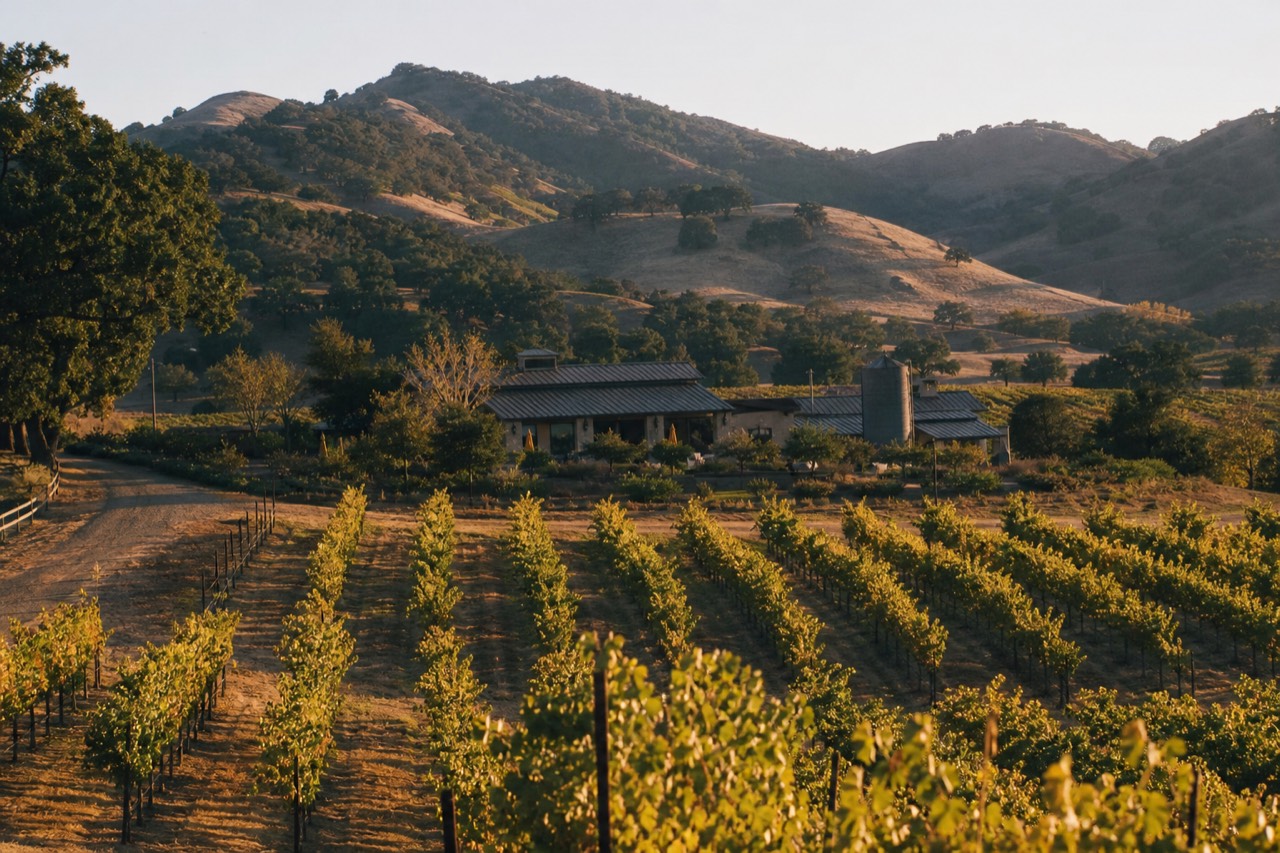
Short answer
The best Santa Barbara wineries depend on what you want. For Pinot Noir and Chardonnay, head to the cool Sta. Rita Hills; for Syrah, Ballard Canyon; for Cabernet, warm Happy Canyon. For a first visit, the walkable towns of Los Olivos and Solvang pack the most variety into the least driving.
Santa Barbara County holds more than 250 wineries across seven federal appellations, and European sommeliers were singing their praises in a Forbes feature as recently as June 2026. That scale is exactly why "the best Santa Barbara wineries" has no single honest answer. A cool-climate Pinot Noir house and a warm-canyon Cabernet estate are both excellent, and both wrong if you have driven an hour to taste the other one.
So this guide does not hand you a ranked list of names that will be out of date within a season. It does something more useful: it shows you how to choose. The best winery for you falls out of three questions. What do you like to drink, how far are you willing to travel, and what kind of day do you want, a casual stroll or a booked estate visit. Answer those against the county's real geography and the "best" rooms sort themselves out.
What are the best wineries in Santa Barbara County?
There is no single best winery in Santa Barbara County. The strongest picks depend on your taste and your route. For cool-climate Pinot Noir and Chardonnay, the Sta. Rita Hills lead; for Syrah, Ballard Canyon; for Cabernet, Happy Canyon. For variety with the least driving, the walkable towns of Los Olivos and Solvang win.
The county's greatness is its spread, not any one estate. Seven appellations run from cool coastal fog to hot inland canyon, and each grows something different well. That means the "best" winery is really the best match between a grape you love and the ground that grows it. Chase a great Pinot Noir into warm Cabernet country and you will be disappointed, and the reverse is just as true.
The other half of the answer is logistics. The estates that make the most celebrated wines are often the hardest to reach, sitting far apart on ranch roads and requiring appointments. The rooms that are easiest to visit, clustered in the walkable towns, trade a little of that estate romance for variety and freedom. Neither is better in the abstract. The table below sorts the county's best-for by grape and by ease of visiting.
| If you want the best for | Head to | Ease of visiting |
|---|---|---|
| Pinot Noir and Chardonnay | Sta. Rita Hills, cool western hills | Estates dispersed, book ahead |
| Syrah and Rhône reds | Ballard Canyon | Rural, reservation-friendly |
| Cabernet and Bordeaux reds | Happy Canyon, warm east | Appointment-only estates |
| Variety with least driving | Los Olivos and Solvang towns | Walkable, walk-ins common |
| Casual urban tasting | Santa Barbara Funk Zone | Walkable, near the waterfront |
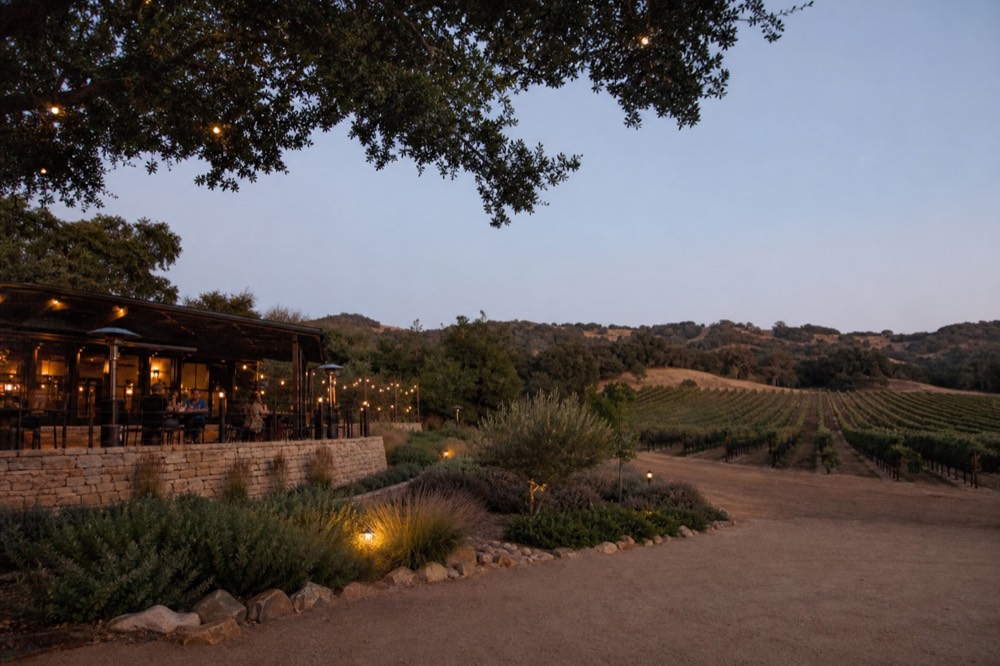
If you would rather have the best rooms chosen and reached for you, the three guided days below cover the range: the deeply reviewed all-inclusive tour, the top-rated picnic day and the distinctive vineyard e-bike experience. Each threads a set of strong wineries into one afternoon.
Which wineries are best for Pinot Noir and Chardonnay?
The Sta. Rita Hills are the county's answer for Pinot Noir and Chardonnay. This cool, fog-swept appellation at the western end of the Santa Ynez Valley is Burgundian country, where the marine layer keeps daytime temperatures down and the grapes ripen slowly. Its estates sit dispersed on rural roads, so reservations and a driver are the norm.
If Pinot Noir is your reason for visiting, this is where you point the car. The Sta. Rita Hills earned their federal appellation in 2001 precisely because the growing conditions are so distinct: transverse valleys funnel Pacific fog straight inland, and the western end of the county sits directly in its path. The result is a cool, long growing season that suits delicate, aromatic grapes rather than the big reds of the warmer canyons.
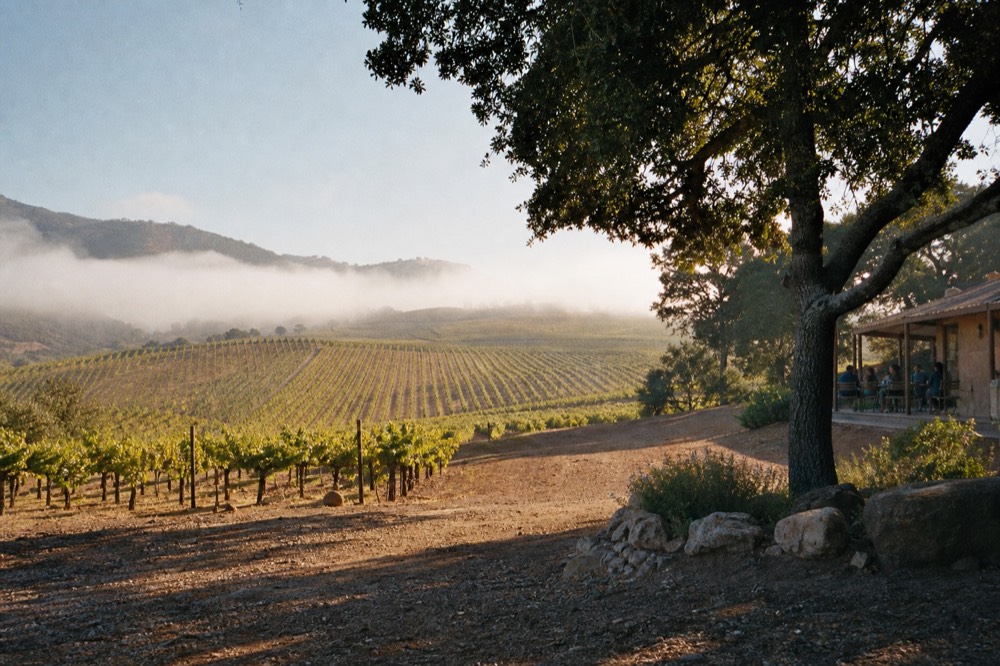
The catch is access. This is not a walkable town, it is a spread of estates across open country, and many of the best want an appointment. The Lompoc Wine Ghetto, an industrial-park cluster of tasting rooms near the appellation, gathers several producers in one spot and is the easiest way to sample the area's Pinot without chasing individual estates. For a deeper look at the appellation, our guide to the cool-climate Sta. Rita Hills wineries covers who pours where.
| Sta. Rita Hills trait | Detail |
|---|---|
| Signature grapes | Pinot Noir, Chardonnay |
| Climate | Coolest in the county, fog-swept |
| Established | Federal appellation since 2001 |
| Access | Estates dispersed, appointments common |
| Easiest entry | Lompoc Wine Ghetto tasting-room cluster |
Which wineries are best for Syrah, Rhône and Bordeaux reds?
For bigger reds, move inland and east. Ballard Canyon is the county's Rhône heart, best for Syrah and Grenache, while Happy Canyon, the hottest and easternmost appellation, is Bordeaux country for Cabernet Sauvignon and Sauvignon Blanc. Both are rural, estate-driven zones where a reservation and a designated driver make the day work.
As you move away from the coast and its fog, the wines get bigger. Ballard Canyon, established as an appellation in 2013, grows the Rhône varieties the county has become quietly famous for, Syrah above all. Push further east into Happy Canyon, warmest of the seven appellations, and the ground turns to Bordeaux: full Cabernet Sauvignon and crisp Sauvignon Blanc that would struggle in the cooler west.
This is where the county's east-west temperature gradient pays off for a taster. In the space of a short drive you can go from delicate Pinot to structured Cabernet, something few wine regions can offer, all thanks to that unusual run of the mountains recorded across the county's seven federal appellations. The estates here are dispersed and reservation-led, which is why a guided day suits red-wine hunters especially well. The table sorts the warmer appellations by what they do best.
| Appellation | Established | Best for | Character |
|---|---|---|---|
| Ballard Canyon | 2013 | Syrah, Grenache, Rhône reds | Warm middle of the valley |
| Happy Canyon | 2009 | Cabernet Sauvignon, Sauvignon Blanc | Hottest, easternmost |
| Los Olivos District | 2016 | Rhône and Bordeaux blends | Diverse, village-centered |
| Santa Maria Valley | 1981 | Pinot, Chardonnay, Syrah | Cool, one of America's oldest |
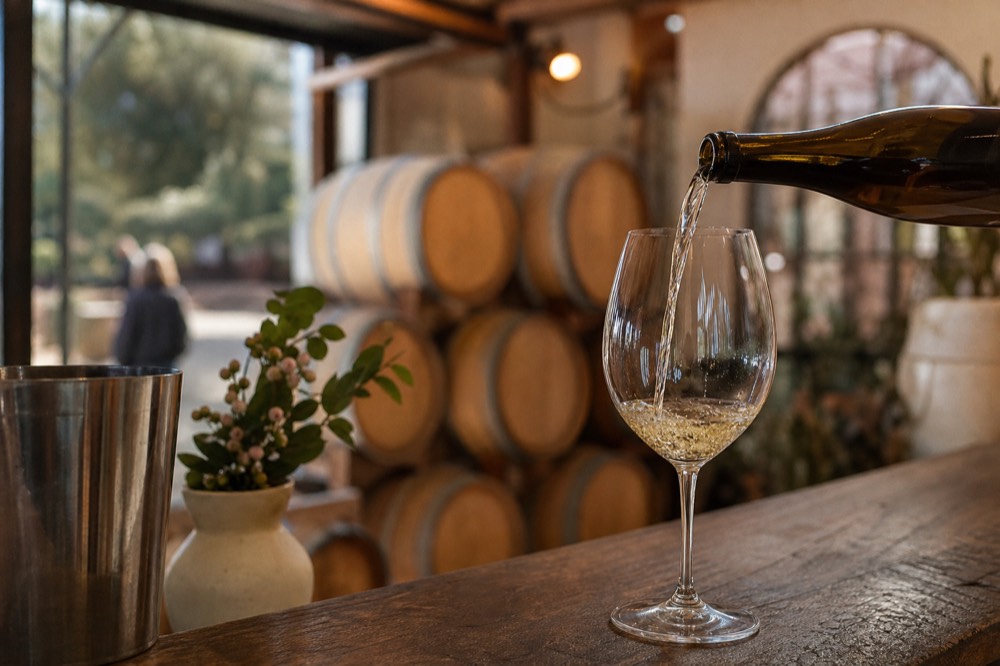
For a fuller sense of why one county grows such different reds, our blog on what this valley is really known for gets into the varietal geography. And the valley wineries town-by-town guide maps which cellar doors cluster where.
Which are the best wineries for a first visit?
For a first visit, the best wineries are the ones you can reach easily and taste across without a long drive. The walkable towns win: Los Olivos and Solvang in the valley, and the Funk Zone in the city. Each packs a cluster of tasting rooms into a few blocks, so a newcomer can sample the county's range on foot before committing to distant estates.
There is a rookie mistake worth avoiding: building a first Santa Barbara wine day around one famous, far-flung estate. You spend the afternoon driving and taste at two rooms. The better first visit is a walkable town where a dozen or more rooms sit within a short stroll, so you can taste widely, find the styles you like, and save the estate pilgrimage for a return trip once you know what you are chasing.
Los Olivos is the densest of these clusters, a compact grid of tasting rooms in a single village. Solvang wraps its growing wine scene around Danish-village streets, useful because it also has beds and restaurants. In the city itself, the Funk Zone gathers around twenty rooms near the waterfront and the train station, walkable and car-free. The table compares the three walkable entry points.
| Walkable base | Where | Best for a first visit |
|---|---|---|
| Los Olivos | Inland valley | Densest cluster, broadest range on foot |
| Solvang | Inland valley | Wine plus lodging, food and a base to stay |
| Funk Zone | Santa Barbara city | Car-free urban tasting near the waterfront |
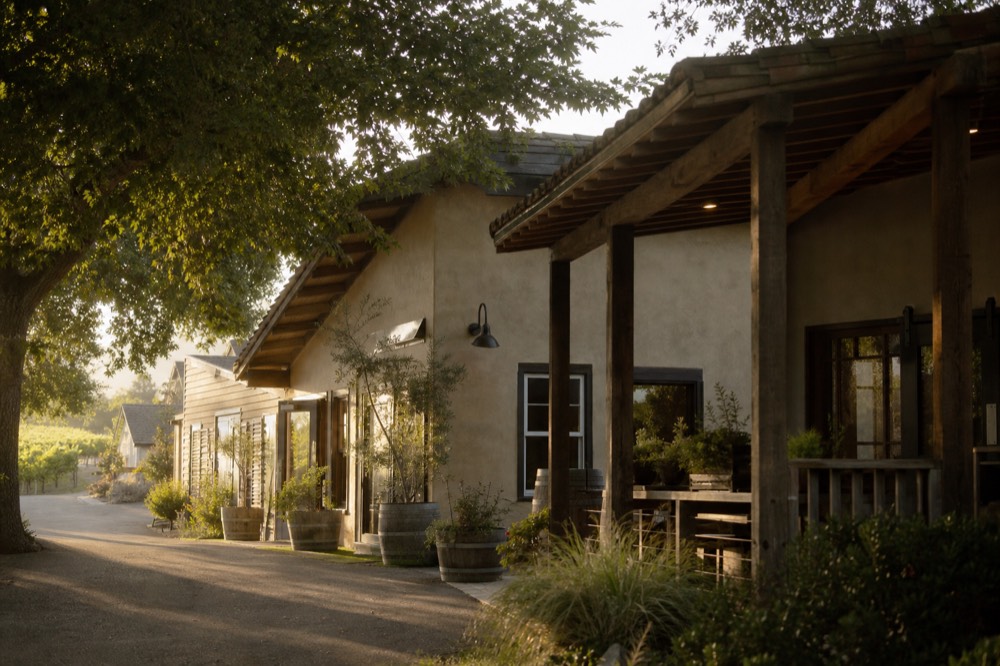
Our guides to tasting your way around Los Olivos and the Santa Barbara Urban Wine Trail go street by street, and the roundup of the valley's cute wine towns helps you pick a base. A walkable first day is the surest way to find your own best winery rather than borrow someone else's.
Which Santa Barbara wineries have won recent recognition?
Santa Barbara County itself was named the number ten best wine region in the USA Today 10Best readers' awards for 2025, and a Solvang tasting room, Final Girl Wines, was ranked among the top ten in the country in the 2026 edition. A June 2026 Forbes feature reported that European sommeliers increasingly favor the county's food-friendly, high-value wines.
Awards are a shortcut, not the whole story, but they do point to real momentum. The county's recognition has been building: alongside the 10Best region ranking, Santa Barbara made Travel and Leisure's list of the fifty best places to travel in 2026. These are readers' and editors' nods rather than blind tastings, so treat them as evidence of a region hitting its stride, not a scorecard for individual bottles.
The Forbes piece is the more telling one. When Michelin-starred sommeliers in Europe start reaching for Santa Barbara over more famous names, the reason they give is consistent: the wines are food-friendly, they deliver value, and the county's microclimates produce a range that few single regions can match. That is a professional endorsement of the same geography this guide keeps returning to. The table gathers the recent recognition.
| Recognition | Who | When |
|---|---|---|
| Number ten best wine region | USA Today 10Best readers' awards | 2025 |
| Top ten U.S. tasting room, Final Girl Wines (Solvang) | USA Today 10Best readers' awards | 2026 |
| Fifty best places to travel | Travel and Leisure | 2026 |
| Favored by European sommeliers | Forbes feature | June 2026 |
For the fuller picture of what makes these wineries stand out to visitors as well as critics, our blog on the most beautiful wineries in the county covers the ones worth seeing for the setting alone. Recognition and scenery do not always overlap, but here they often do.
Which wineries are best reached on a tour versus on foot?
The walkable-town rooms in Los Olivos, Solvang and the Funk Zone are best on foot, since they cluster close together and take walk-ins. The celebrated rural estates in Sta. Rita Hills, Ballard Canyon and Happy Canyon are best reached on a tour, because they are dispersed, appointment-only and separated from the coast by a mountain pass.
This is the practical fork that decides most itineraries. If the wineries you want to visit sit inside a walkable town, a tour adds little, and the freedom to wander is worth more. If they sit out on ranch roads, a tour is close to essential. It books the appointments you would otherwise chase by phone, it handles the San Marcos Pass drive, and it keeps everyone in your party able to taste.
That last point is not a small one. California's legal driving limit is 0.08 percent under Vehicle Code section 23152, and a day across three or four estates is many pours. The estates are dispersed and not walkable, which is the honest reason these guided days exist. This is how we think about it at Santa Barbara Wine Tours: use a driver for the estates that need one, and your own two feet for the walkable towns. The table sets the two approaches next to each other.
| Consideration | Walkable-town rooms | Rural estates |
|---|---|---|
| Best reached by | Your own two feet | A tour or shuttle |
| Reservations | Often walk-in | Usually required |
| The drive | Park once and stroll | A mountain pass each way |
| Who stays sober | Everyone, no driver needed | A driver, unless you take a tour |
| The trade | Variety and freedom | Estate romance and celebrated wines |
Most well-planned trips do both: a walkable town on one day, a guided estate run on another. Our guide to the full-day valley tour formats compares the guided days in detail, and the blog on whether you need reservations explains which rooms will turn you away without one. The most-reviewed way to reach a strong set of estates in one go is the all-inclusive valley day: you can check the dates and what it covers on the operator's live listing.
When is the best time to visit the best wineries?
September through November is the best window across the county's wineries, with warm days, cool nights and harvest energy in the rooms. Summer is peak season and busiest, winter is quiet and low-priced, and spring brings green hills at shoulder-season value. The rooms run year-round, so timing shapes the atmosphere and crowd, not the access.
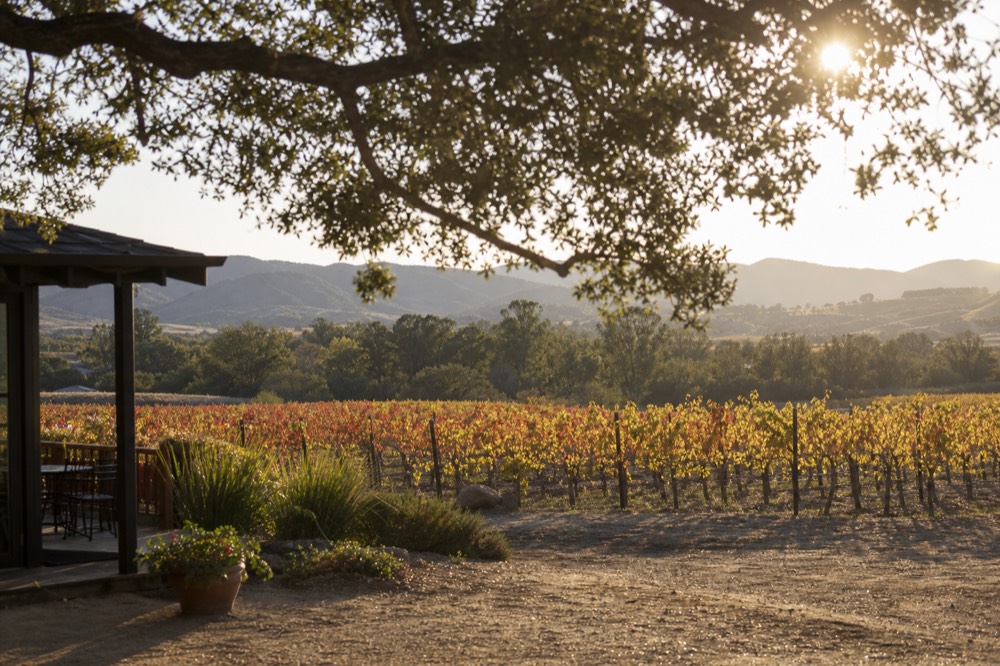
The best wineries are open all year, which makes the calendar a question of experience rather than availability. Fall is the classic answer. Harvest and crush stretch from late August into October, the rooms feel most alive, and the inland valley weather settles into warm afternoons and cool evenings, the county at its most photogenic.
Summer draws the biggest crowds, so the celebrated estates fill their appointment books and the walkable towns get busy, book ahead. The coast can sit under morning fog that locals call May Gray and June Gloom, while the inland valley usually stays warmer and clearer. Winter is the quiet, wallet-friendly stretch. The table lays out the trade-offs for a tasting trip.
| Season | Weather | Crowds | Why go then |
|---|---|---|---|
| September to November | Warm days, cool nights, harvest color | Busy on event weekends | The classic window, harvest energy |
| June to August | Warm inland, coastal fog | Peak | Everything open, book ahead |
| December to February | Cool, green, occasional rain | Quietest | Lowest prices, unhurried tasting |
| March to May | Mild, green hills | Building | Shoulder-season value, wildflowers |
If your dates flex, our month-by-month look at when to visit the wine country goes deeper on weather and events. And once you have picked a window, the three guided days below reach a strong set of wineries with the driving and the reservations handled, so you can put your energy into the tasting rather than the logistics.
Common questions about the best Santa Barbara wineries
What are the best wineries in Santa Barbara County?
There is no single best. The strongest picks depend on your taste: Sta. Rita Hills for Pinot Noir and Chardonnay, Ballard Canyon for Syrah, Happy Canyon for Cabernet, and the walkable towns of Los Olivos, Solvang and the Funk Zone for variety with the least driving. Match a grape to the ground that grows it.
Which Santa Barbara area is best for Pinot Noir?
The Sta. Rita Hills, at the cool western end of the Santa Ynez Valley. Pacific fog pours straight into this appellation through the transverse valleys, keeping temperatures low and suiting Burgundian Pinot Noir and Chardonnay. The estates are dispersed and often appointment-only, so plan a reservation and a driver.
What Santa Barbara winery is best for a first visit?
For a first visit, choose a walkable town over a far-flung estate. Los Olivos packs the densest cluster of tasting rooms into a few blocks, Solvang adds lodging and food, and the city's Funk Zone offers car-free urban tasting near the waterfront. You taste more widely and drive less.
Have any Santa Barbara wineries won awards recently?
The county was ranked the number ten best wine region in the USA Today 10Best readers' awards for 2025, and a Solvang tasting room, Final Girl Wines, made the top ten U.S. tasting rooms in the 2026 edition. A June 2026 Forbes feature reported European sommeliers increasingly favoring the county's wines.
Are the best wineries better on a tour or on foot?
The walkable-town rooms in Los Olivos, Solvang and the Funk Zone are best on foot. The celebrated rural estates in Sta. Rita Hills, Ballard Canyon and Happy Canyon are best on a tour, because they are dispersed, appointment-only and reached over a mountain pass. Many visitors do both across a trip.
When is the best time to visit Santa Barbara wineries?
September through November is the classic window, with warm days, cool nights and harvest energy in the rooms. Summer is busiest, winter is quietest and cheapest, and spring brings green hills at shoulder-season value. The rooms run year-round, so timing is about atmosphere and price rather than availability.