Wine Tasting in Santa Barbara: How It Actually Works
A standard flight runs about twenty to thirty-five dollars, and the fee often vanishes if you buy a bottle. Here is how a tasting day really works, room by room.
Short answer
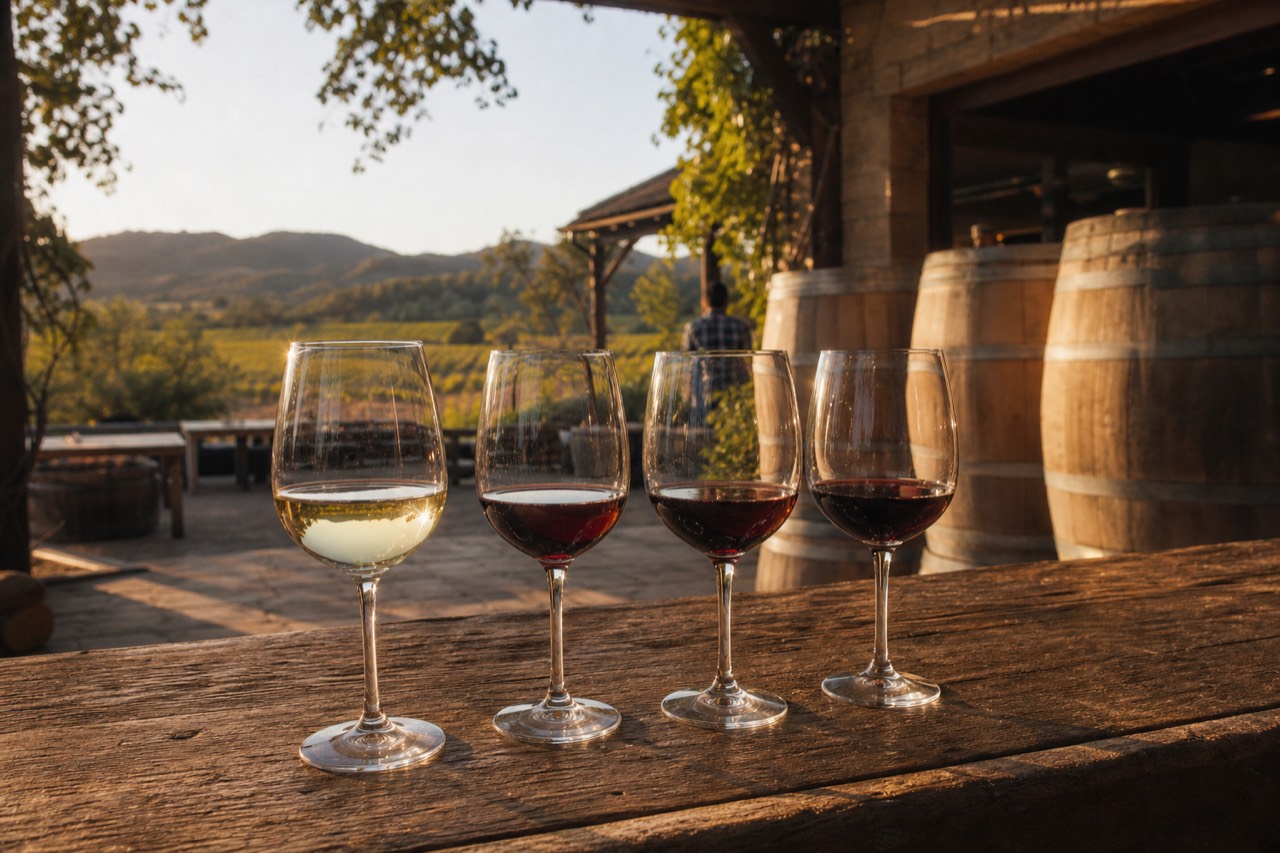
Wine tasting in Santa Barbara means paying a small fee, usually around twenty to thirty-five dollars, for a flight of four or five pours at a tasting room. Walk-ins are normal in the walkable towns, seated tastings at rural estates want a reservation, and the fee is often waived with a bottle purchase.
A standard tasting flight in Santa Barbara's walkable towns runs about twenty to thirty-five dollars for four or five pours, and at plenty of rooms that fee disappears the moment you buy a bottle. Nobody tells you that before your first visit. They also do not tell you that the rural estate you drove forty minutes to reach may only take booked guests, or that the casual room downtown will happily wave you in off the street with no notice at all.
Wine tasting here is not one thing. It splits along a few simple lines: fee or no fee, seated or standing, booked or walk-in, city or valley. Get those four right and the rest of the day takes care of itself. This guide lays out how tasting actually works across Santa Barbara County, using real current fee ranges, the honest state of reservations, and the practical difference between the compact downtown rooms and the dispersed valley estates, so your first flight feels like your tenth.
How does wine tasting work in Santa Barbara?
Wine tasting in Santa Barbara means paying a set fee, commonly twenty to thirty-five dollars, for a flight of four or five small pours poured to a list. You either stand at a bar or sit for a hosted tasting. Downtown city rooms and the walkable valley towns take walk-ins; rural estates lean toward booked, seated visits. The fee is often waived with a bottle purchase.
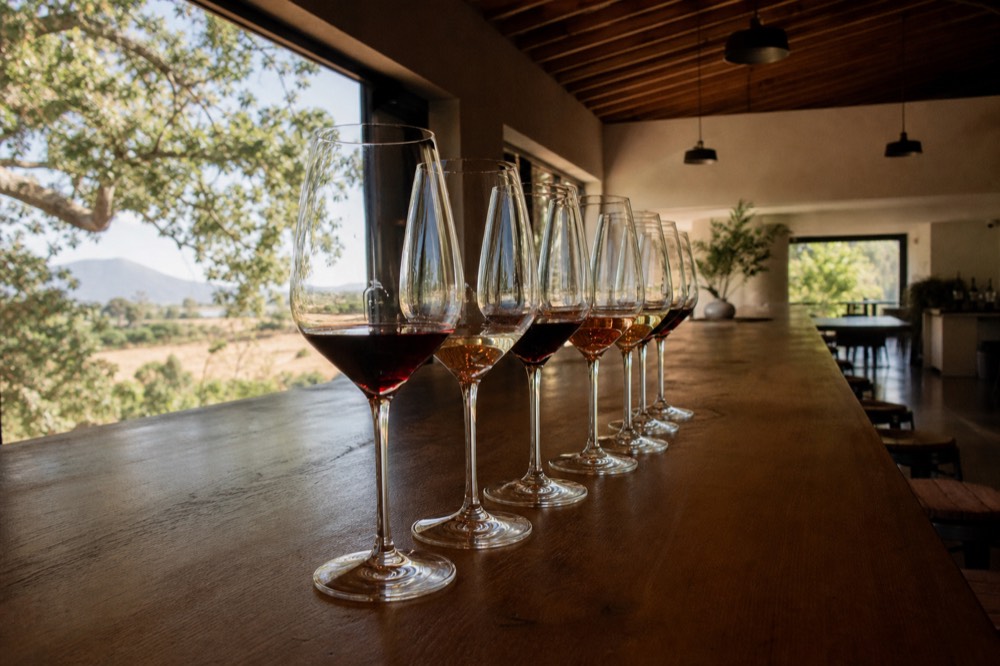
The mechanics are the same whether you are at a converted warehouse near the waterfront or a ranch estate up a dirt lane. You choose a flight from a printed or posted list, the host pours a few ounces of each wine in sequence, and you work from lighter to bolder, usually whites or sparkling first and reds last. A flight is four to six wines. You are not expected to finish every pour, and a dump bucket on the bar is there for exactly that reason.
Where the experience diverges is the setting and the pace. A standing bar tasting in a busy downtown room is quick and social, twenty minutes if you want it to be. A seated tasting at an estate is slower, often an hour, sometimes with a host who walks you through each wine and the vineyard behind it. Reserve or estate tastings cost more and pour more serious wines. The table below sorts the common formats you will meet.
| Format | What it is | Rough fee | Where you find it |
|---|---|---|---|
| Standing bar flight | Four or five pours at a counter | $20 to $35 | Funk Zone, Los Olivos, Solvang |
| Seated tasting | Hosted, one hour, table service | $30 to $50 | Estates, reserve rooms |
| Reserve or estate flight | Older or single-vineyard wines | $40 to $75+ | Rural ranch wineries |
| Guided tour tasting | Fees folded into a day tour | Included | On a booked wine day |
That last row is the one people overlook. On a guided day the per-room fee often stops being a separate line at all, because it is built into the tour price, which changes the maths on a full afternoon of tasting. If you want to see how the region's tasting scenes fit together before you pick where to spend your day, the three most useful next steps are our look at the downtown rooms, the walkable valley village, and the full valley tour formats.
How much does a wine tasting cost in Santa Barbara?
Budget roughly twenty to thirty-five dollars per tasting in the walkable towns and thirty-five to fifty or more at reserve and estate rooms. A day of three or four tastings runs sixty to a hundred and fifty dollars in fees alone before wine, food or transport. Many rooms waive the fee with a bottle purchase, so a few buys can offset the day.
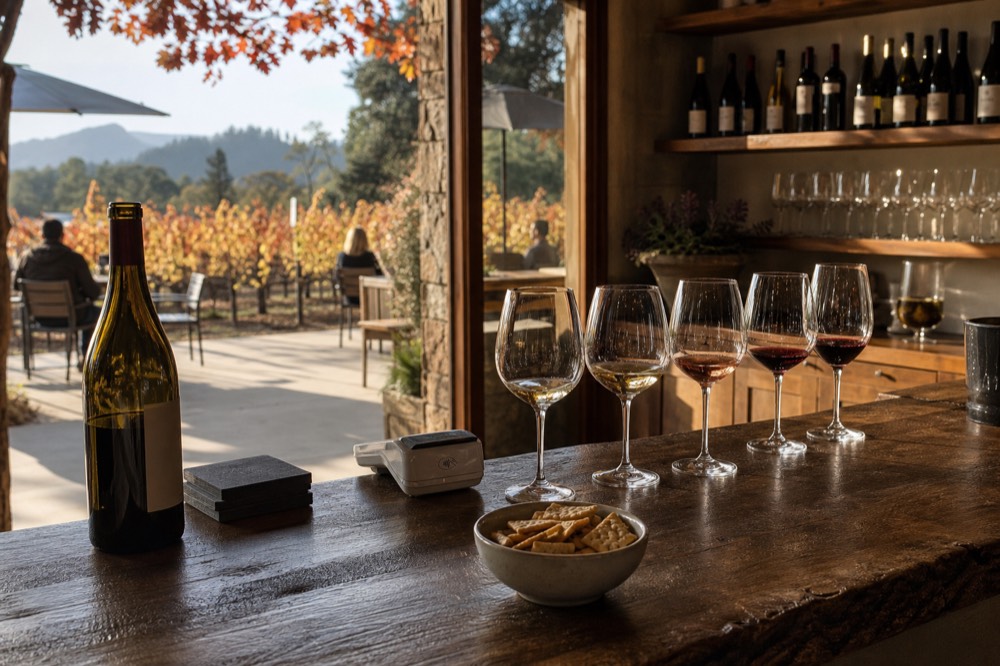
Fees are the part first-timers underestimate, because they add up quietly across a day. One flight feels cheap. Four flights, two lunches and a driver do not. The honest way to plan a budget is to count the stops, not the sticker on a single room. Downtown Funk Zone rooms and the walkable valley towns of Los Olivos and Solvang cluster at the lower end. Rural estates and reserve experiences sit higher, and a few destination wineries charge more still for a sit-down flight of their best bottles.
The waiver is the lever that changes everything. A great many rooms will refund the tasting fee, or waive it outright, if you buy a bottle or two, and some waive it with a wine-club sign-up. If you were going to leave with wine anyway, the effective cost of tasting drops toward zero. The table below gives realistic per-person fee bands so you can build a day rather than guess at it.
| Tasting type | Typical fee per person | Waived with a purchase? | Notes |
|---|---|---|---|
| Walkable-town flight | $20 to $30 | Often, with a bottle | Los Olivos, Solvang, Los Alamos |
| Funk Zone urban room | $20 to $35 | Sometimes | Compact downtown district |
| Reserve tasting | $35 to $50 | Occasionally | Older or limited wines |
| Estate seated tasting | $40 to $75+ | Rarely | Rural, often booked ahead |
| Lunch, per person | $20 to $40 | No | Add if the tour skips it |
One low-cost way into the fee question is a walking tasting downtown, where a single ticket covers several rooms and the fees are bundled into one price rather than paid door to door. A history-and-chocolate walk through the Funk Zone, from $135, is that kind of day: the tastings, the walking route and the storytelling arrive as one number instead of a running tab. For a deeper room-by-room breakdown of what a full day really costs, our post on what a day of tastings adds up to counts the fees, food and driver together.
Do you need a reservation, or can you walk in?
It depends on where you taste. Walk-ins are normal in the walkable towns, Los Olivos, Solvang, Los Alamos and the downtown Funk Zone, outside peak times. Rural estate wineries increasingly want a reservation for seated tastings, and larger groups should always book. Weekends and harvest season tighten availability everywhere, so booking the estates ahead is the safe move.
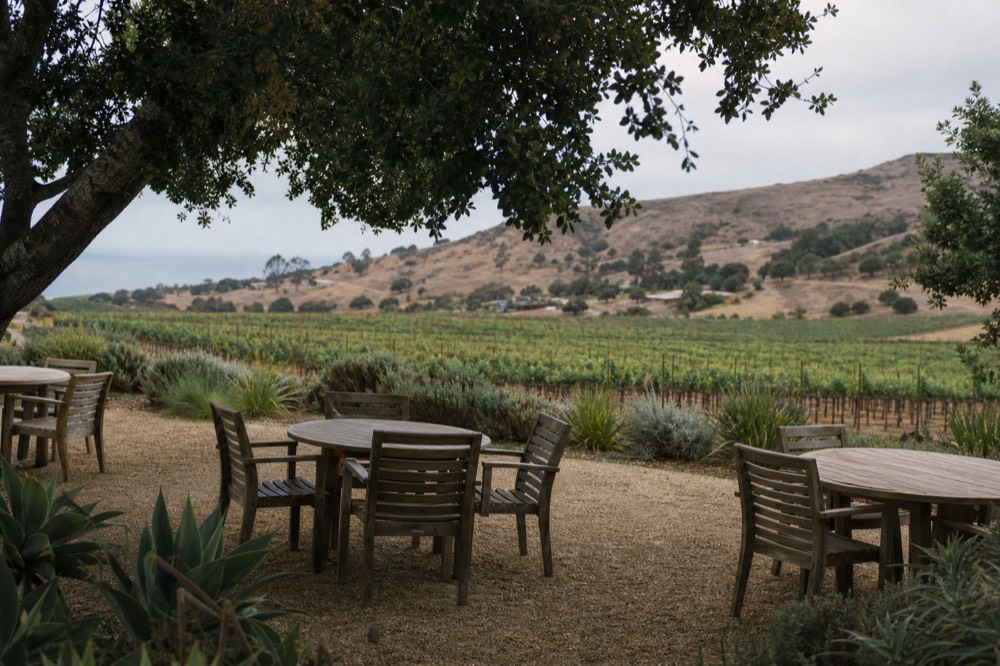
Reservations have crept in over the last few years, and the pattern is easy to read once you know it. The busier and more casual the room, the more likely you can wander in. The more rural, seated and estate-driven the winery, the more it wants your name on a list. The walkable clusters exist precisely so visitors can drift between rooms without a plan, and that still holds for most of them on a weekday. Push into the ranch country between the towns, though, and appointment-only becomes common, partly for staffing and partly because a seated tasting is a scheduled hour, not a passing pour.
Groups change the calculation entirely. Four friends can usually walk into a downtown room. Eight people arriving unannounced at a small estate will struggle, and many rooms cap or refuse walk-in groups above six. If your party is large, book everything, and if your dates fall on a weekend or during the late-August-to-October harvest, book the estates regardless of group size. The table below maps where you can risk a walk-in and where you should not.
| Where | Walk-in on a weekday? | Weekend or harvest | Groups over six |
|---|---|---|---|
| Los Olivos village rooms | Usually fine | Book popular rooms | Book ahead |
| Solvang tasting rooms | Usually fine | Busier, still doable | Book ahead |
| Funk Zone downtown | Usually fine | Can get crowded | Book ahead |
| Rural estate wineries | Often no | Reserve required | Reserve required |
| Reserve or library tastings | Book ahead | Book ahead | Book ahead |
The clean way around all of this is to let someone else hold the bookings. On a guided day the rooms are arranged before you arrive, which removes the single most common way a self-planned afternoon goes wrong: driving to an estate that turns you away at the gate. If reservations are the part that worries you most, our post on whether you need to book ahead goes winery-type by winery-type. The firm-price guided valley day here arranges every room in advance, and it is the one to check the dates and what it covers on the operator's live listing.
Should you tip at a Santa Barbara tasting room?
Tipping at a tasting room is welcome but not obligatory. A common practice is a few dollars per person, or ten to twenty percent, especially for a seated, hosted tasting where someone guided you through the wines. A standing bar pour needs less, or nothing beyond rounding up. If the fee is waived on a bottle purchase, a tip for the host is a gracious move.
Americans arrive unsure whether a tasting room works like a restaurant, and the honest answer is that it sits somewhere in between. Nobody will chase you for a gratuity, and plenty of casual bar tastings pass without one. But a host who spent an hour pouring, explaining and refilling has done service work, and a tip lands the same way it would at a bar. Most rooms have a jar or a tip line on the receipt, and a few dollars per person covers a standard flight comfortably.
Scale it to the effort. A quick self-serve style pour at a busy counter is different from a private seated flight with a knowledgeable host. On a guided tour, tipping the guide who drove and arranged the day is the more meaningful gesture, and the tasting-room tips become optional extras. The short table below is a simple, no-stress guide, not a rule anyone will enforce.
| Situation | A reasonable tip | Why |
|---|---|---|
| Standing bar flight | Round up, or a couple of dollars | Quick, self-paced pour |
| Seated hosted tasting | 15 to 20 percent, or a few dollars each | An hour of real service |
| Fee waived on purchase | A tip for the host is kind | They still poured for you |
| Guided tour guide | 15 to 20 percent of the tour | Drove and arranged the day |
None of this is money you must spend, and no one will think less of you for a modest bar tip. The point is only to read the room: the more the host did for you, the more a tip fits.
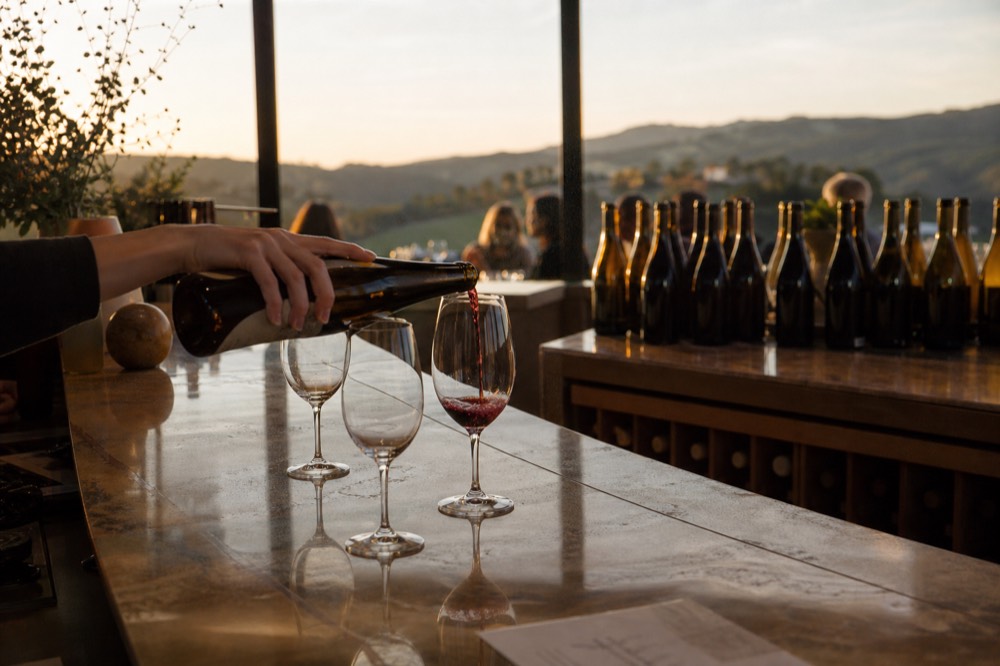
Seated tasting or walk-in flight: which suits you?
Choose a walk-in flight when you want to move fast, cover several rooms and keep the day loose. Choose a seated tasting when you want depth: an hour with a host, a curated flight and the story behind each wine. Walk-ins suit the downtown and walkable-town rooms; seated tastings suit estates and reserve visits, and usually want a booking.
These are two different afternoons, not two prices for the same thing. A walk-in flight is built for grazing. You stand, you taste, you decide in twenty minutes whether to buy or move on, and you can hit four rooms in a downtown district or a walkable village in a single afternoon. It rewards curiosity and a light plan. The trade-off is depth: a busy bar cannot give you an hour of a winemaker's attention.
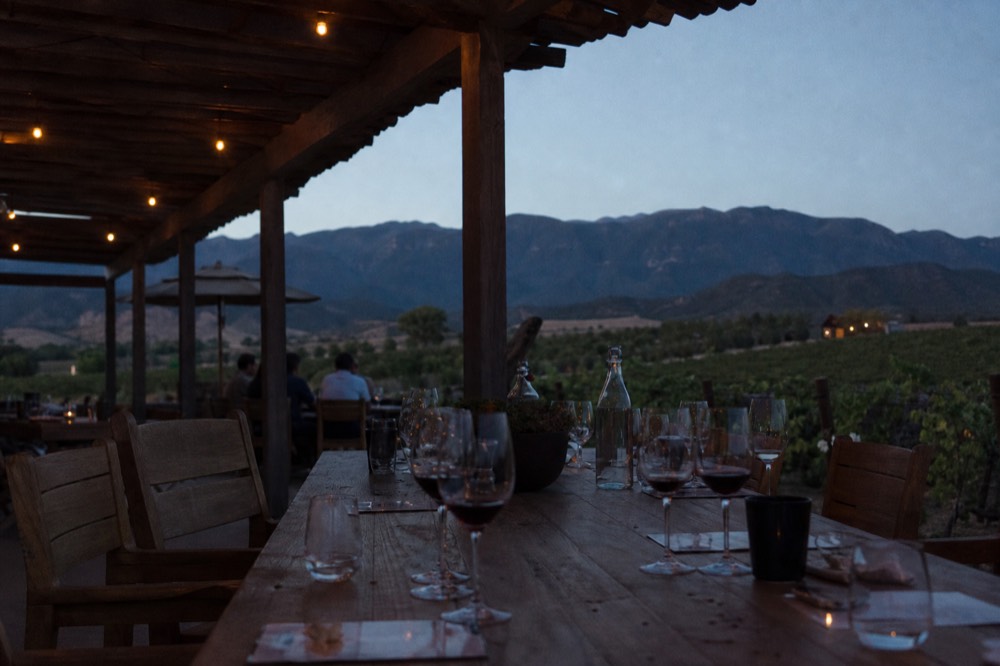
A seated tasting flips that. You are booked in, poured a considered flight, and walked through the wines by someone who knows the vineyard. It slows the day to two or three stops rather than five, and it costs more per room, but it is where the region's better wines and stories live. Neither is the right answer in the abstract. The right one depends on whether you are sampling widely or settling in. The table below lines up the two.
| Consideration | Walk-in flight | Seated tasting |
|---|---|---|
| Pace | Fast, self-directed | Slow, hosted |
| Rooms per day | Four or five | Two or three |
| Reservation | Rarely needed | Usually needed |
| Cost per room | Lower | Higher |
| Best for | Sampling widely | Depth and stories |
| Where | Downtown, walkable towns | Estates, reserve rooms |
A good day often mixes both: a couple of quick walk-in flights in a walkable town, then one seated estate tasting to slow down and go deep. That rhythm is exactly what a well-built tour delivers without you having to plan it, and it is the way we think about a day at Santa Barbara Wine Tours: match the format to the afternoon you actually want, not the first room you pass.
Should you taste in the city or head out to the valley?
Taste in the city if you have half a day, no car and want to walk between rooms: the downtown Funk Zone packs around twenty tasting rooms into a compact district near the waterfront and the train. Head to the Santa Ynez Valley if you want vineyards, estates and the full range of the county's wines, roughly forty minutes inland, where a driver or tour makes the day work.
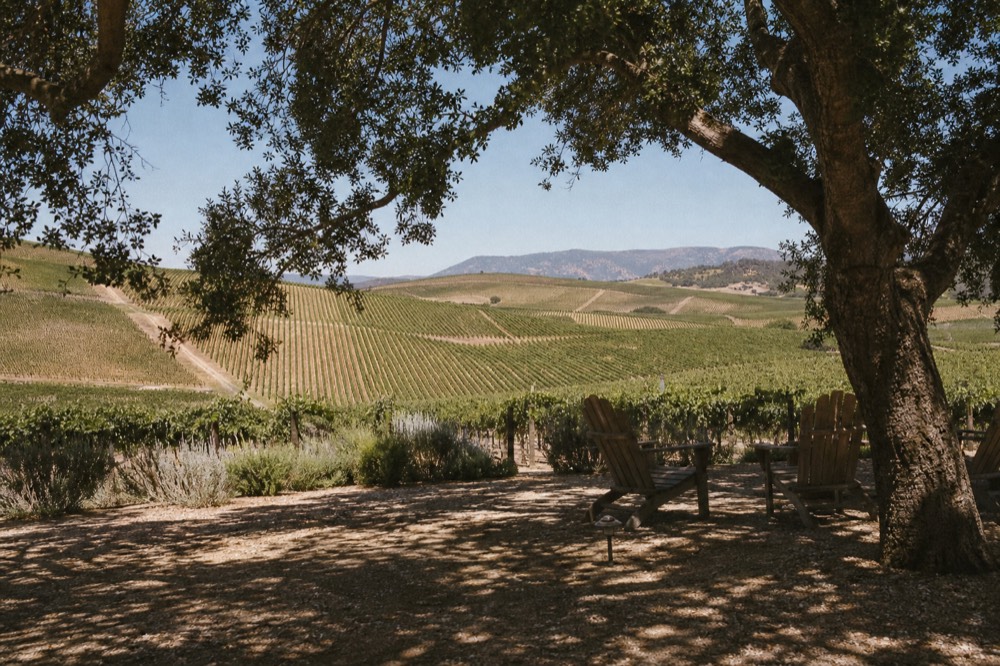
This is the first real fork in planning a Santa Barbara wine day, and the two options serve different trips. The city scene, centered on the Funk Zone and the wider downtown wine trail, is walkable and low-effort. You can arrive by train, wander a thirteen-block district, taste at a run of rooms and never touch a car. It is ideal for a short window, a rainy afternoon, or a group that does not want to organize transport. What it is not is a vineyard: these are tasting rooms pouring wines made from grapes grown inland, not estates among the vines.
The valley is the other trip entirely. The vineyards physically sit out there, dispersed across ranch roads through towns like Solvang and Los Olivos, and that is where you find estate tastings, cellar-door views and the whole spread of the county's appellations, mapped across the seven federal wine appellations on record. It costs you the drive, about forty minutes over the San Marcos Pass, and it strongly rewards handing the wheel to someone else. The table below sets the two side by side.
| Consideration | City Funk Zone | Santa Ynez Valley |
|---|---|---|
| Getting there | Walk from downtown or the train | About 40 minutes inland |
| Feel | Urban rooms, warehouse-cool | Vineyards, estates, ranch roads |
| Car needed | No | Yes, or a driver |
| Time needed | Half a day | A full day |
| Best for | Short windows, no car | The full wine-country day |
Plenty of visitors do both across a trip: a walkable city afternoon on arrival, then a full valley day with a driver. If the downtown rooms are your speed, our guide to walking the downtown wine trail maps the route, and the story of how the Funk Zone got its name is a good primer on the district before you go.
Is it better to take a tour or taste on your own?
For a full tasting day, a tour usually beats self-driving. A flight is several pours, California's legal limit is 0.08 percent blood alcohol, and the valley estates are dispersed and not walkable. A tour keeps everyone tasting, books the appointment-only rooms, and handles the mountain drive. Self-tasting works best in one walkable town or the downtown district, where a designated driver can abstain.
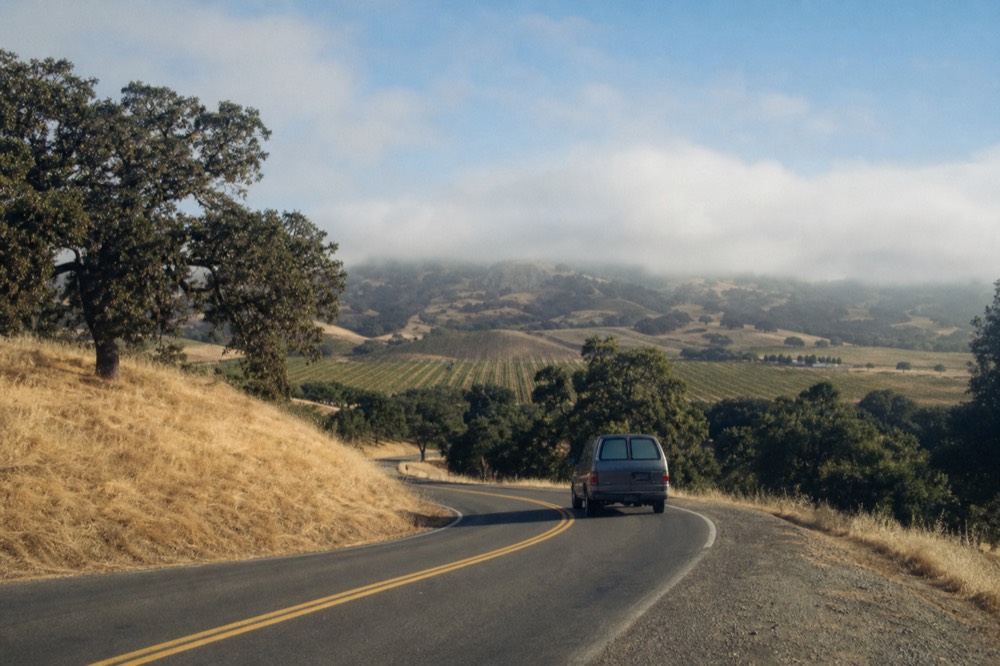
This is the honest center of the decision, and it is not scaremongering. California sets the standard driving limit at 0.08 percent under Vehicle Code section 23152, confirmed against California's 0.08 percent legal limit. A single tasting flight is several ounces of wine, and a valley day is three or four flights. Across an afternoon the arithmetic stops favoring the person behind the wheel, and one of your party ends up missing the wine to stay under the limit.
Then there is the geography. Valley wineries are scattered rather than clustered, so you cannot park once and stroll between estates the way you can inside a single town, and the drive over the San Marcos Pass bookends the day at each end. A tour dissolves all of that: the rooms are booked, the driving is someone else's job, and nobody has to abstain. The exception is a walkable-only plan, tasting your way through the Funk Zone or a single valley town where a sober driver can drop and collect. The table below weighs the two.
| Consideration | Taste on your own | Take a tour or shuttle |
|---|---|---|
| Who stays sober | One of your party abstains | Everyone tastes |
| Appointment-only estates | You book each one | Arranged in advance |
| The San Marcos Pass drive | You drive it, twice | Handled for you |
| Best setting | One walkable town or downtown | The dispersed valley |
| Total cost | Fuel, parking, fees, a lost taster | One price, sometimes fees in |
The cheapest way to solve only the driving is a shared shuttle from the city, from $139, which runs you up to the valley and back while you pay each tasting at the door. It trades the seated-and-arranged feel of a full tour for a lower entry price. If you are weighing the routes up from the coast, our guide to reaching the valley from the coast compares the San Marcos Pass against the Highway 101 loop, and our overview of how the valley tour formats compare lines up every guided day.
Whichever way you taste, the three days below give you a clean spread: a firm-price guided valley tour, a walkable downtown tasting walk, and the top-rated picnic day, so you can hold a date while the good months are still open.
Common questions about wine tasting in Santa Barbara
How much does wine tasting cost in Santa Barbara?
Budget about twenty to thirty-five dollars per flight in the walkable towns and thirty-five to fifty or more at reserve and estate rooms. A day of three or four tastings runs roughly sixty to a hundred and fifty dollars in fees before wine, food or a driver. Many rooms waive the fee with a bottle purchase.
Do you need reservations for wine tasting in Santa Barbara?
Not always. Walk-ins are normal in the walkable towns of Los Olivos and Solvang and the downtown Funk Zone outside peak times. Rural estate wineries increasingly want a reservation for seated tastings, and groups over about six should book everywhere. Weekends and harvest season tighten availability.
Are you supposed to tip at a wine tasting?
Tipping is welcome but not required. A few dollars per person, or ten to twenty percent, fits a seated, hosted tasting where someone guided you through the wines. A quick bar pour needs little or nothing. If the fee is waived on a bottle purchase, a tip for the host is a gracious gesture.
Can you walk between wineries in Santa Barbara?
Inside the downtown Funk Zone and the walkable valley towns of Los Olivos, Solvang and Los Alamos, yes: rooms sit close enough to stroll between. The rural valley estates are dispersed across ranch roads and not walkable, which is why most full valley days use a driver or a guided tour.
Is wine tasting better in Santa Barbara city or the Santa Ynez Valley?
Both work, for different trips. The city Funk Zone is walkable, car-free and good for a half day. The Santa Ynez Valley, about forty minutes inland, is where the vineyards and estates sit and where the full range of the county's wines is poured, but it needs a full day and a driver or tour.
How many wineries can you visit in one day?
On a walk-in bar-flight pace you can cover four or five rooms in a walkable town or the downtown district. Seated estate tastings slow the day to two or three stops. Most guided valley days settle on three or four wineries, which leaves time for lunch and the drive between them.